
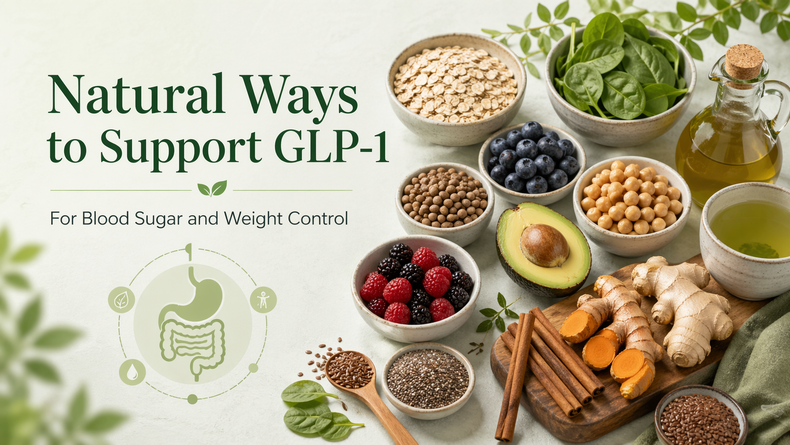
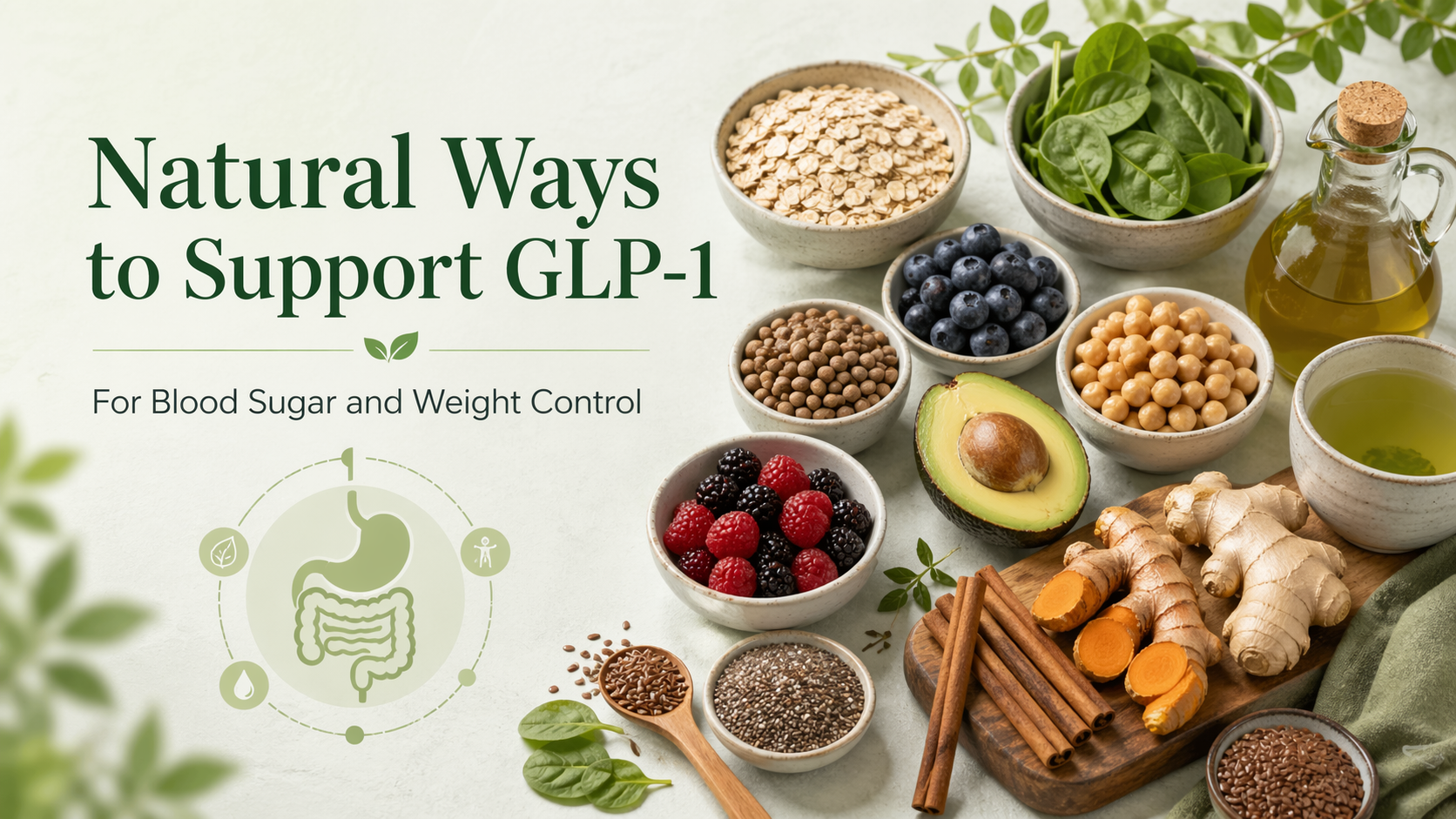
GLP-1 has become one of the most talked-about hormones in health and nutrition, especially for people interested in managing blood sugar, appetite, and healthy weight control. While prescription GLP-1 medications have gained a lot of attention, many people are now asking whether there are natural ways to support the body’s own GLP-1 activity.
The good news is that certain foods, herbs, and plant-based compounds may help support healthy GLP-1 function as part of a balanced lifestyle. Although natural options do not work in the same way as prescription medications, they may still play a valuable role in supporting metabolic health, satiety, and blood glucose balance.
At Beneficial Health, we believe in looking at the whole picture — nutrition, lifestyle, and evidence-informed natural support.
What Is GLP-1?
GLP-1 stands for glucagon-like peptide-1. It is a natural hormone produced in the gut after eating. It helps the body by:
- supporting insulin release when blood sugar rises
- helping to regulate appetite
- slowing stomach emptying, which can help you feel fuller for longer
- reducing post-meal blood sugar spikes
- supporting healthy weight management
Because GLP-1 influences both blood glucose control and hunger signals, it has become an important focus in both diabetes care and weight management.
Can You Support GLP-1 Naturally?
Yes, to some extent. The body naturally produces GLP-1 in response to food, especially when meals contain the right balance of fibre, protein, and beneficial plant compounds.
Rather than thinking in terms of “natural Ozempic”, it is more accurate to think about supporting the body’s own metabolic pathways. Natural approaches are generally gentler, slower, and best used as part of an overall healthy routine.
The most effective natural support usually comes from:
- fibre-rich whole foods
- gut-friendly plant nutrition
- stable blood sugar habits
- selected herbs and botanical compounds
1. Fibre-Rich Foods: One of the Best Natural Supports for GLP-1
If there is one area of nutrition that stands out most, it is dietary fibre.
Fibre helps slow the absorption of sugar into the bloodstream and supports fullness after meals. Certain fibres also feed beneficial gut bacteria, which produce compounds that may help stimulate gut hormones, including GLP-1.
Best fibre-rich foods to include:
- lentils
- chickpeas
- beans
- oats
- barley
- flaxseeds
- chia seeds
- vegetables
- berries
- apples
- pears
A diet rich in whole plant foods may help support blood sugar balance, reduce cravings, and improve appetite regulation over time.
2. Resistant Starch and Prebiotic Foods
Some foods contain resistant starch or natural prebiotic fibres, which are especially helpful for gut health. A healthy gut microbiome may positively influence GLP-1 release and other appetite-regulating hormones.
Foods rich in resistant starch or prebiotics include:
- green bananas
- cooked and cooled potatoes
- cooked and cooled rice
- oats
- onions
- garlic
- leeks
- asparagus
- legumes
These foods may help support a healthier digestive environment, which in turn can benefit metabolism, satiety, and glucose control.
3. Protein Helps with Fullness and Blood Sugar Stability
Although this article focuses on herbs and plant-based substances, it is important to mention that protein plays an essential part in regulating appetite and blood sugar.
Including protein with meals can help:
- improve fullness
- reduce snacking
- slow the effect of carbohydrates on blood sugar
- support healthy weight control
Plant-based protein sources such as lentils, beans, tofu, tempeh, pumpkin seeds, and quinoa can be particularly useful in a balanced eating plan.
4. Cinnamon for Blood Sugar Support
Cinnamon is one of the best-known herbs for supporting healthy blood sugar levels. It has long been used in traditional health practices and is popular for those looking for natural metabolic support.
Potential benefits of cinnamon may include:
- supporting normal blood sugar balance
- helping reduce sugar cravings
- adding natural sweetness without sugar
- complementing a balanced diet for weight management
Cinnamon can easily be added to:
- porridge
- smoothies
- herbal teas
- yoghurt
- chia pudding
- baked oats
While cinnamon is not a miracle cure, it can be a useful everyday addition to a blood sugar-friendly routine.
5. Berberine: A Popular Plant Compound for Metabolic Health
Berberine is a natural plant compound found in herbs such as barberry and Oregon grape. It has become popular for its potential effects on blood glucose metabolism and weight support.
Many people use berberine as part of a wider programme to support:
- healthy blood sugar levels
- insulin sensitivity
- appetite regulation
- metabolic balance
Berberine is one of the more widely discussed natural compounds in this area, but it should be used with care. It may not be suitable for everyone, especially those taking medication or those with existing health conditions.
Anyone considering berberine supplements should seek professional advice before use.
6. Turmeric and Curcumin for Inflammation and Metabolic Balance
Turmeric contains the active compound curcumin, which is valued for its anti-inflammatory and antioxidant properties. Since inflammation can play a role in metabolic imbalance, turmeric may offer indirect support for better blood sugar and weight management.
Turmeric may be useful as part of a natural health routine because it can:
- support the body’s natural inflammatory response
- complement digestive and metabolic health
- work well in a plant-rich diet
Easy ways to use turmeric include:
- adding it to soups and curries
- blending into smoothies
- stirring into warm plant milk
- using in golden milk drinks
Turmeric works best as part of a healthy lifestyle rather than as a quick fix.
7. Polyphenol-Rich Plant Foods
Polyphenols are natural compounds found in colourful plant foods. They may help support gut health, oxidative balance, and metabolic function.
Polyphenol-rich foods include:
- berries
- green tea
- cocoa
- olives
- extra virgin olive oil
- red grapes
- herbs and spices
- leafy greens
A diet rich in polyphenols may help support healthy appetite control and better overall metabolic wellbeing.
8. Green Tea and Herbal Support for Weight Control
Green tea is often included in natural weight management plans because it contains catechins and other plant compounds that may support metabolism and energy balance.
Used sensibly, green tea may help:
- support healthy metabolism
- provide antioxidant protection
- complement blood sugar-friendly habits
- support a balanced approach to weight control
Herbal teas can also be a helpful alternative to sugary drinks, reducing unnecessary calorie and sugar intake.
9. Extra Virgin Olive Oil and Healthy Fats
Healthy fats can also support satiety and blood sugar stability. Extra virgin olive oil is rich in beneficial plant compounds and is a useful addition to a Mediterranean-style eating pattern.
This style of eating may help:
- support fullness after meals
- reduce reliance on ultra-processed foods
- promote better cardiovascular and metabolic health
- support long-term healthy weight management
Pairing healthy fats with fibre-rich meals can be especially helpful for satisfaction and blood sugar balance.
Foods and Habits That May Work Against Healthy GLP-1 Function
Just as some foods may support the body’s natural hormone balance, others may work against it.
Try to reduce:
- ultra-processed foods
- sugary snacks and drinks
- refined carbohydrates
- frequent overeating
- low-fibre diets
- highly erratic eating patterns
Building meals around whole foods, vegetables, healthy fats, fibre, and protein is often far more effective than relying on supplements alone.
A Balanced Natural Approach to Blood Sugar and Weight Control
The most effective natural approach is not one herb or one “super supplement”. It is a combination of supportive habits that work together.
A simple natural strategy may include:
- eating more fibre-rich plant foods
- including protein with meals
- choosing whole foods over processed foods
- using herbs such as cinnamon and turmeric regularly
- supporting gut health with prebiotic foods
- drinking green tea or herbal teas instead of sugary drinks
- maintaining a healthy sleep and movement routine
Over time, these habits may help support:
- better blood sugar balance
- reduced cravings
- improved fullness after meals
- sustainable weight control
Important Note on Supplements
Natural supplements can be useful in some cases, but they are not suitable for everyone. If you have diabetes, prediabetes, take blood sugar medication, or have an existing medical condition, it is important to speak with a qualified healthcare professional before starting herbs or supplements such as berberine.
Natural health support should complement medical care, not replace it.
Final Thoughts
Supporting GLP-1 naturally is less about chasing a quick fix and more about creating the right internal environment through nutrition, gut health, and plant-based support.
Fibre-rich foods, prebiotic plants, healthy fats, balanced protein intake, and selected herbs such as cinnamon, turmeric, and berberine may all have a role to play in supporting blood sugar regulation and healthy weight management.
At Beneficial Health, we encourage a natural, balanced, and informed approach to wellbeing — one that supports the body rather than overwhelms it.
If you are looking for natural ways to improve blood sugar balance, metabolic health, and weight control, starting with food and lifestyle is often the most powerful step.